
The Brief
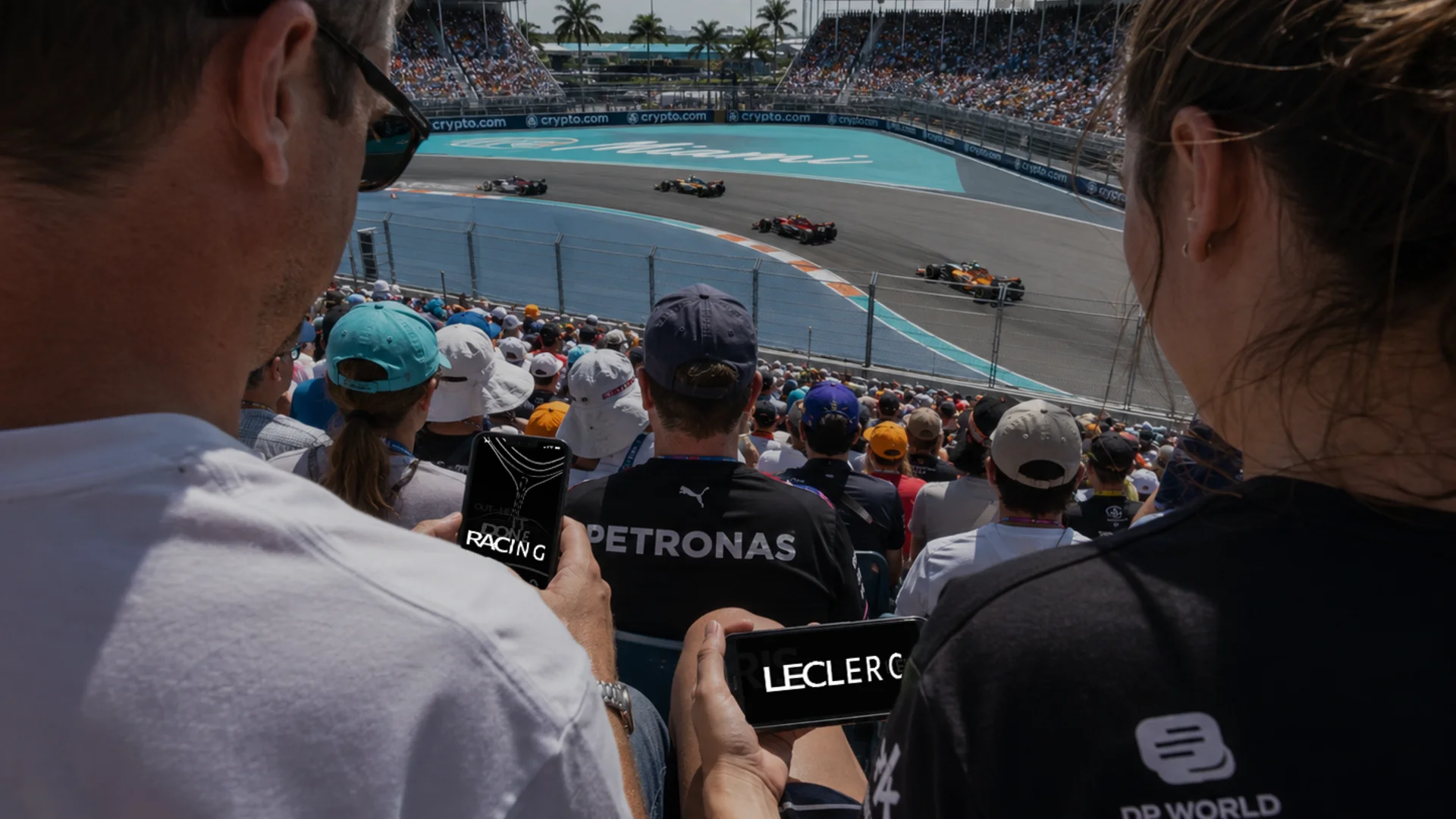
I set my own brief for this project, written to the standard of a commercial commission for the 2026 Formula 1 season. The task was to move beyond the clinical timing tower and communicate the physical reality of racing through design. The system had to translate telemetry into typographic language, integrate with trackside environments as cars pass key points, support home fans on second screens, and document historic laps for archive display.
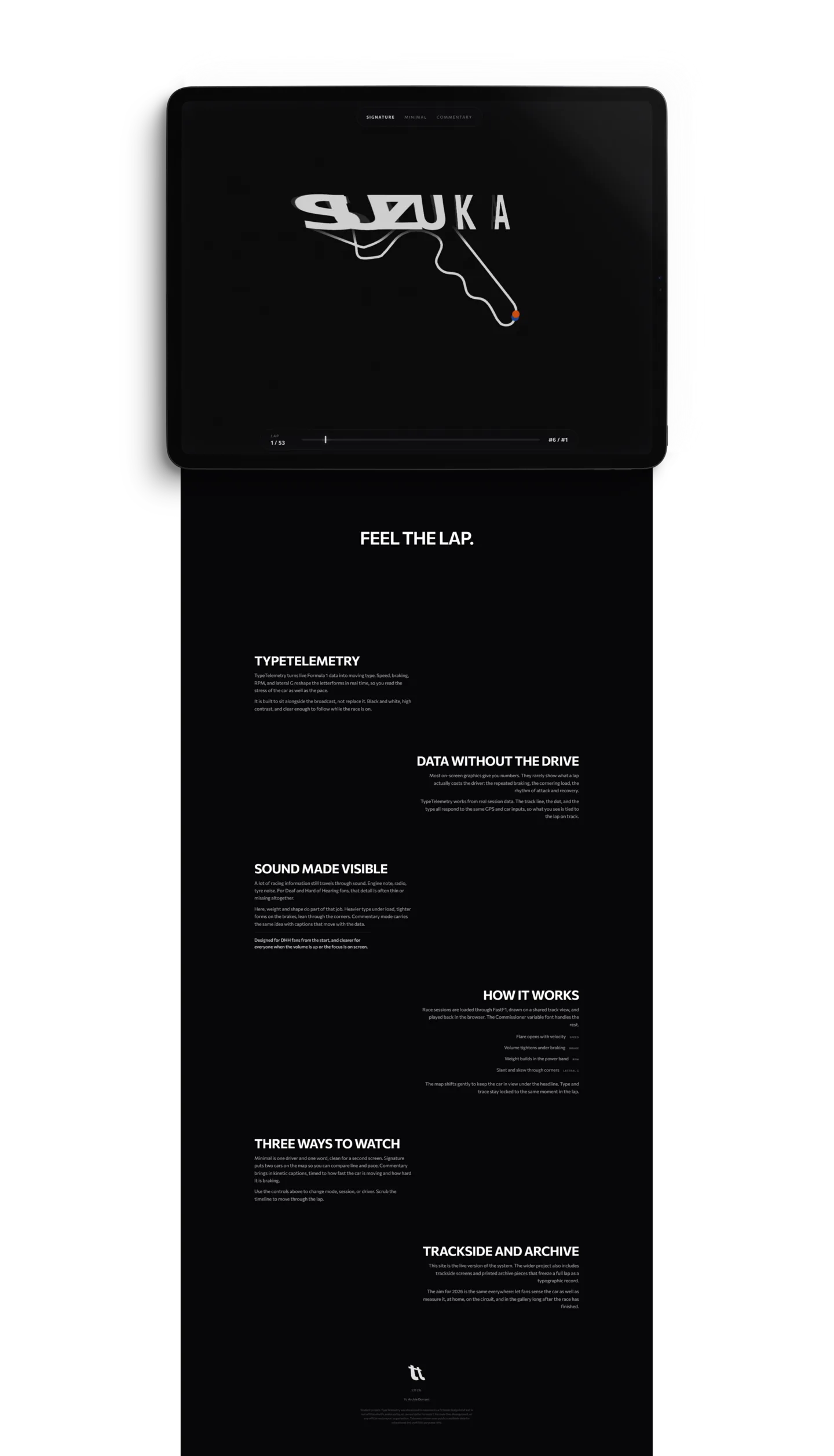
TypeTelemetry is my response. Variable font weight is the primary output. Braking load thickens the type. Acceleration thins it as if aerodynamic pull is acting on the letterforms. The goal was never to replace timing data, but to give new fans and Deaf and Hard of Hearing audiences a way to read mechanical stress without decoding a spreadsheet while the race continues.
Reactive System
The live prototype maps official telemetry channels to font axes using FastF1 data infrastructure (Bosman, 2021). A tutorial with Sally clarified the pivot for horizon two: typography should hold the energy of the circuit, not annotate it from a distance. That decision removed decorative motion and tied every shift to measurable load on the car.
Strategic Horizons
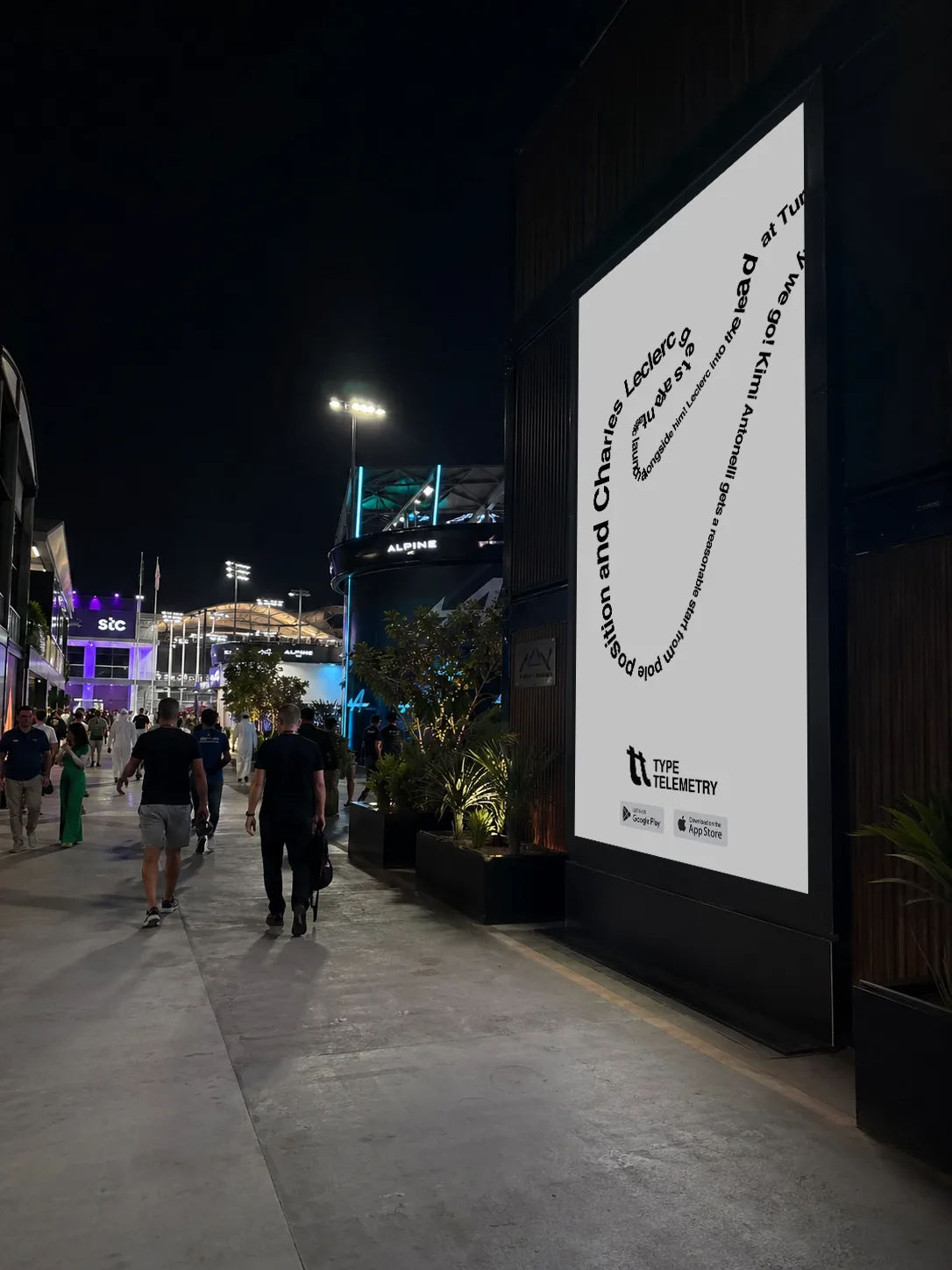
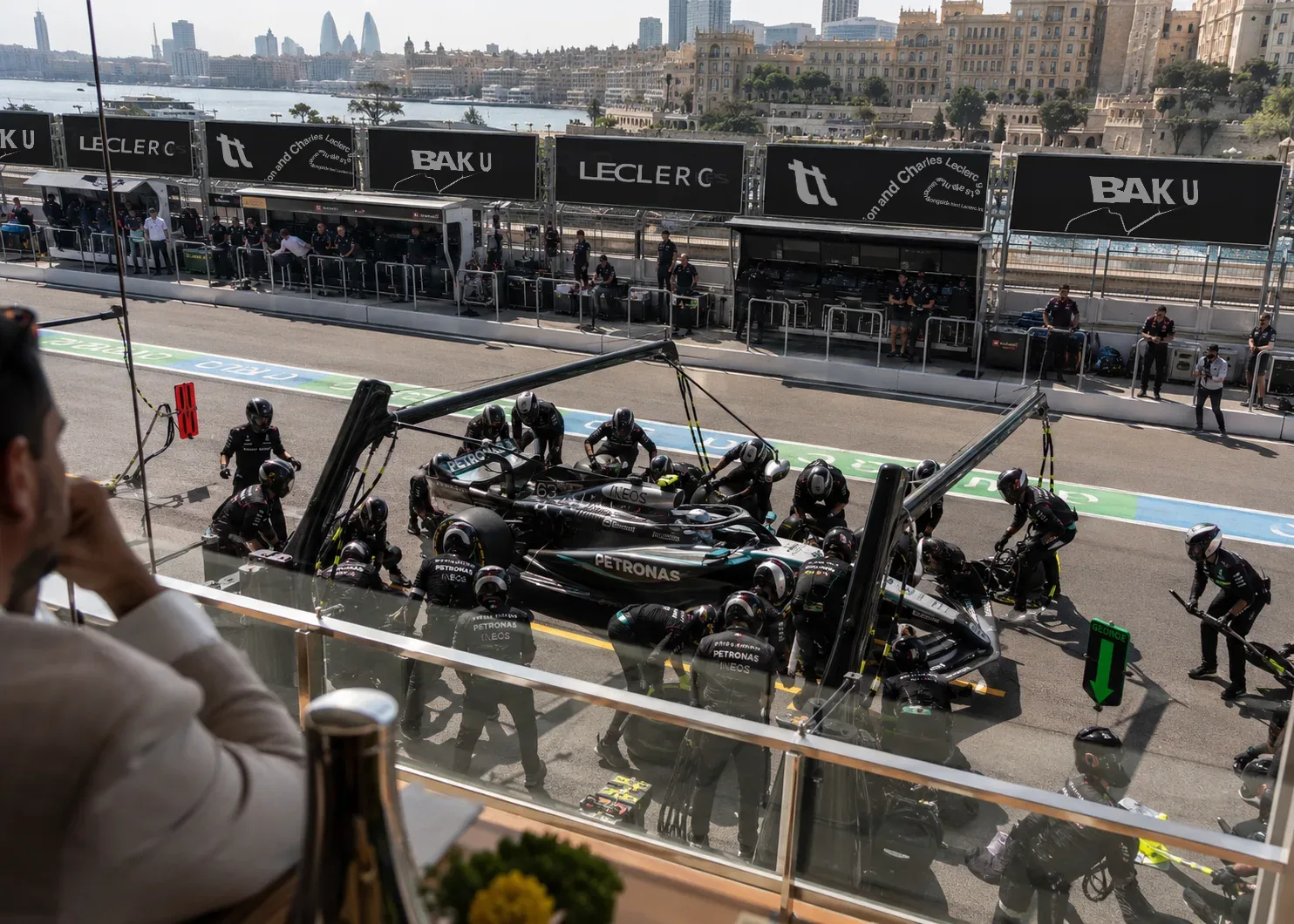
Horizon one describes the saturated broadcast state: telemetry presented as binary numbers that fans must translate while action moves on screen. Forums document the fatigue with this model (Autosport Forums, 2023). Horizon two introduced reactive text as the strategic moat. Horizon three extends the system into physical infrastructure, pairing a second-screen application with trackside billboards and barrier screens that competitors cannot replicate without circuit access.
A critical risk was proxy graphics. AWS tyre wear indicators eroded trust because simulation was presented with the visual authority of a sensor reading. I rejected that path. TypeTelemetry uses the car's actual movement as input so the design remains technical truth rather than guesswork. Budget allocation reflected that priority: £10,000 for technical discovery, £15,000 for variable font infrastructure, and £20,000 for production including trackside mock-ups that build barrier to entry through deployment on circuit environments.
Inclusive Design Logic
Motorsport relies on audio to signal engine strain, yet subtitle provision for radio remains thin (Brown, 2025). Rather than treating captions as the fix, I designed for the Deaf and Hard of Hearing community as a primary user group. Research on visual attention suggests deaf viewers often detect subtle shifts faster than hearing audiences (Prasad, Patil and Mishra, 2017). Mapping braking and RPM stress to typographic weight gives a visual substitute for sound without adding another data panel to read.
A tutorial with Briony reinforced that the graphic layer must not compete with the data. The identity stays black and white so sponsor-heavy broadcast environments do not dilute the reacting letters. The Magician archetype frames the role of the system: translate complex telemetry into a readable physical experience while keeping the type itself as premium brand language.
Trackside Infrastructure
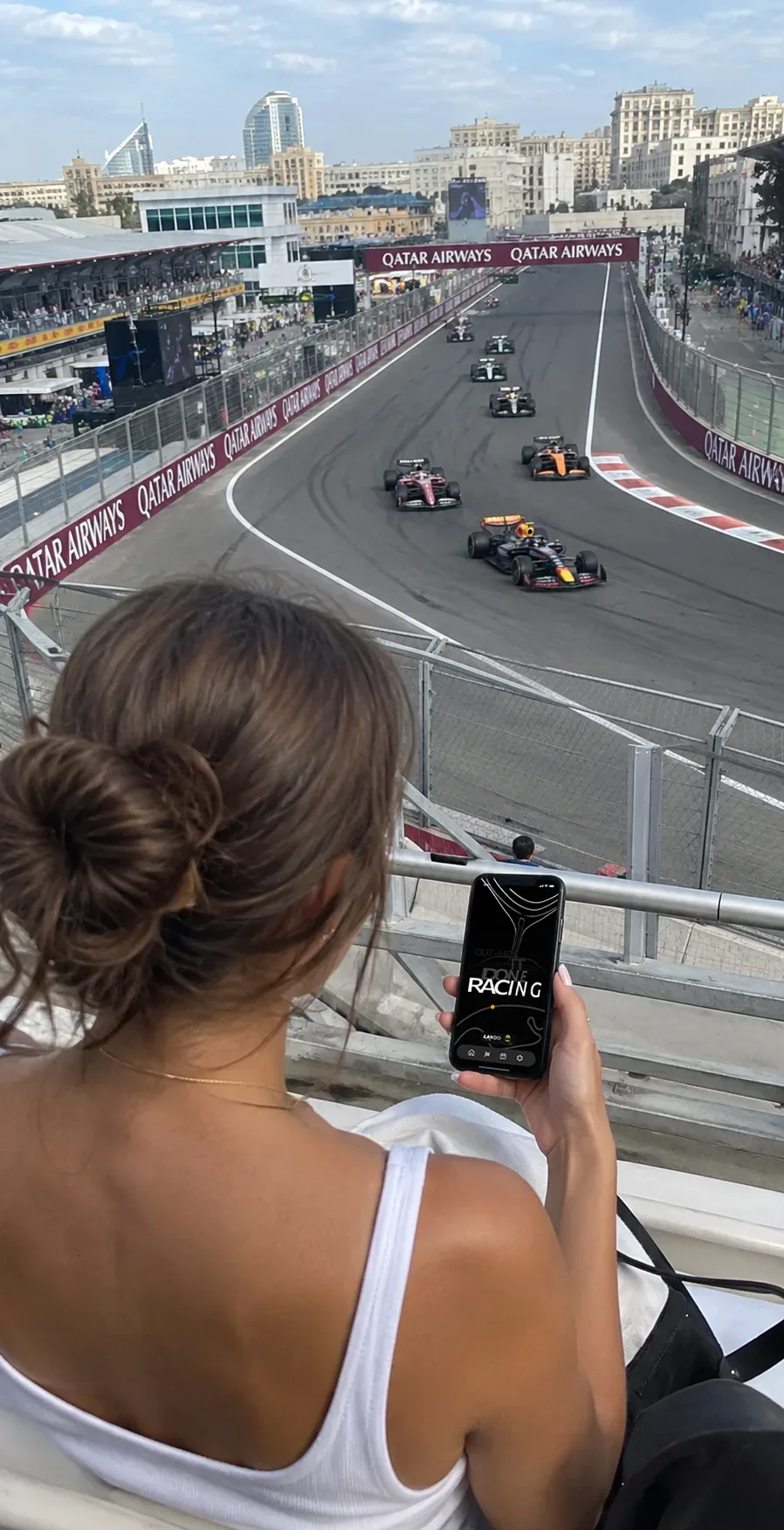
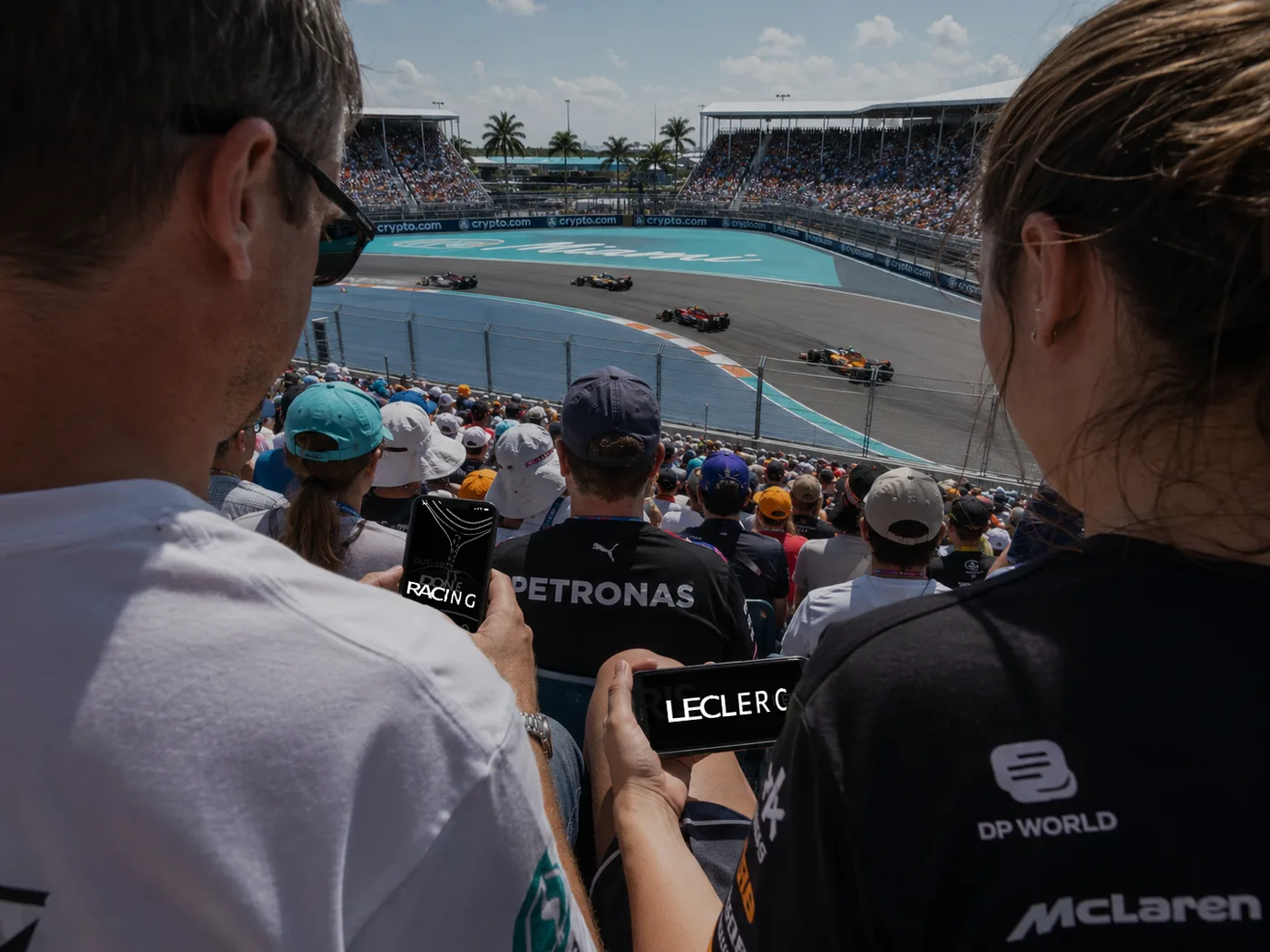
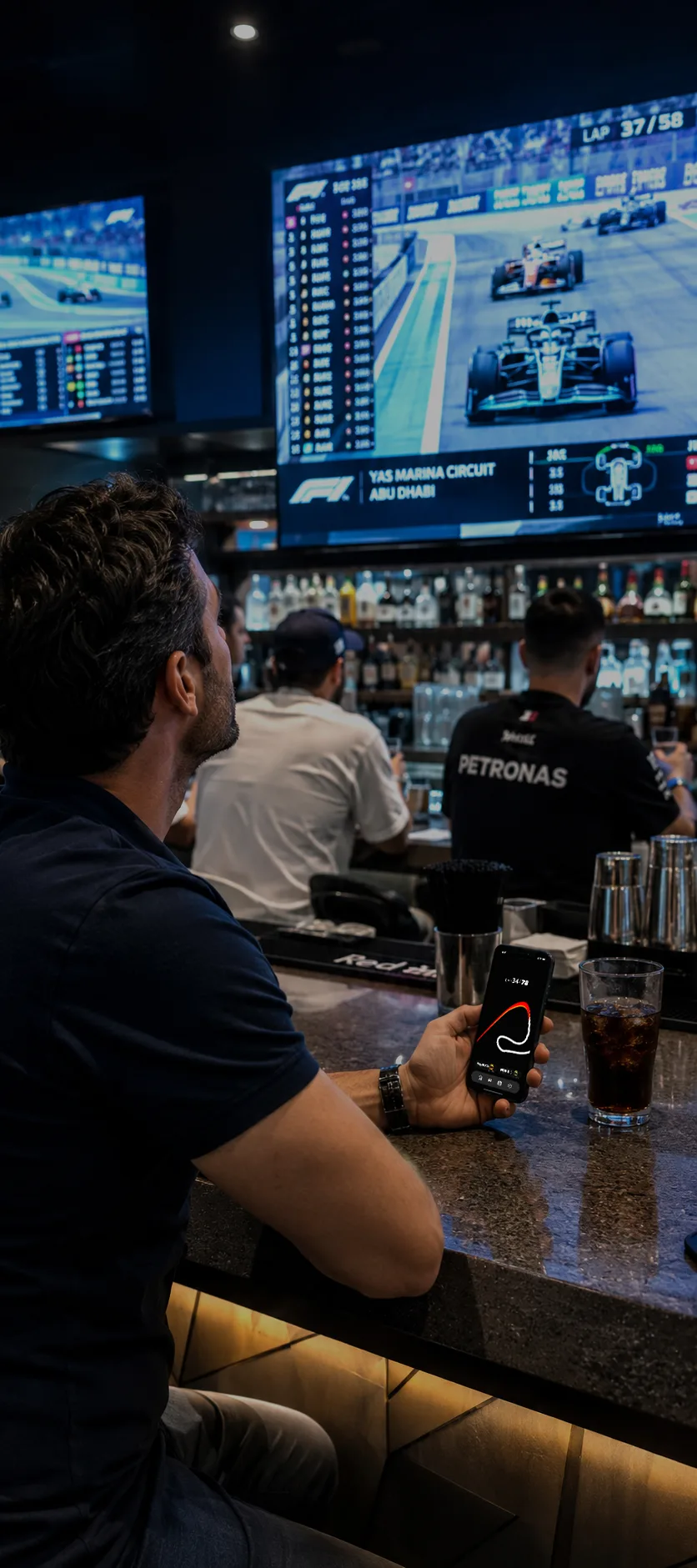
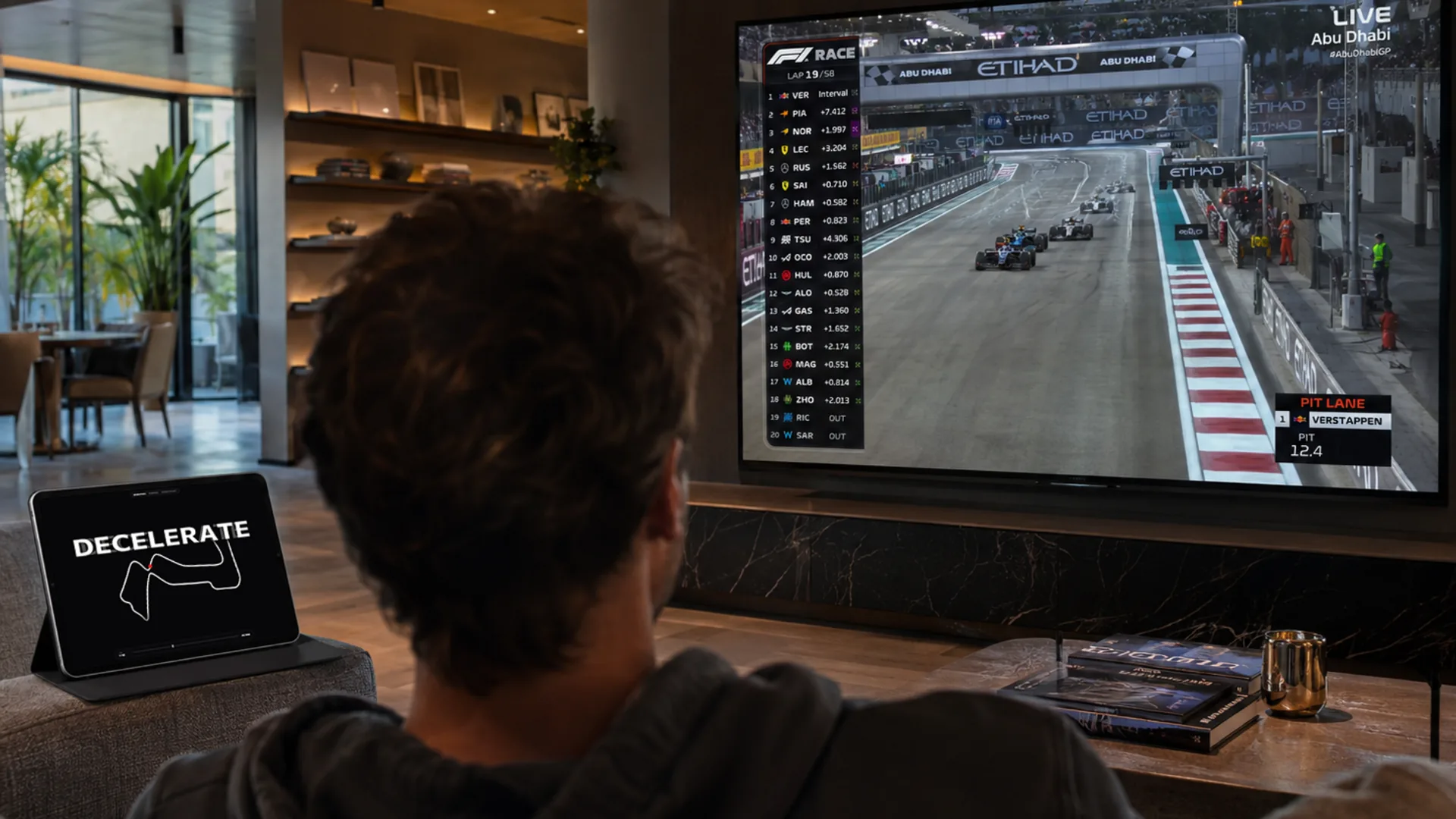
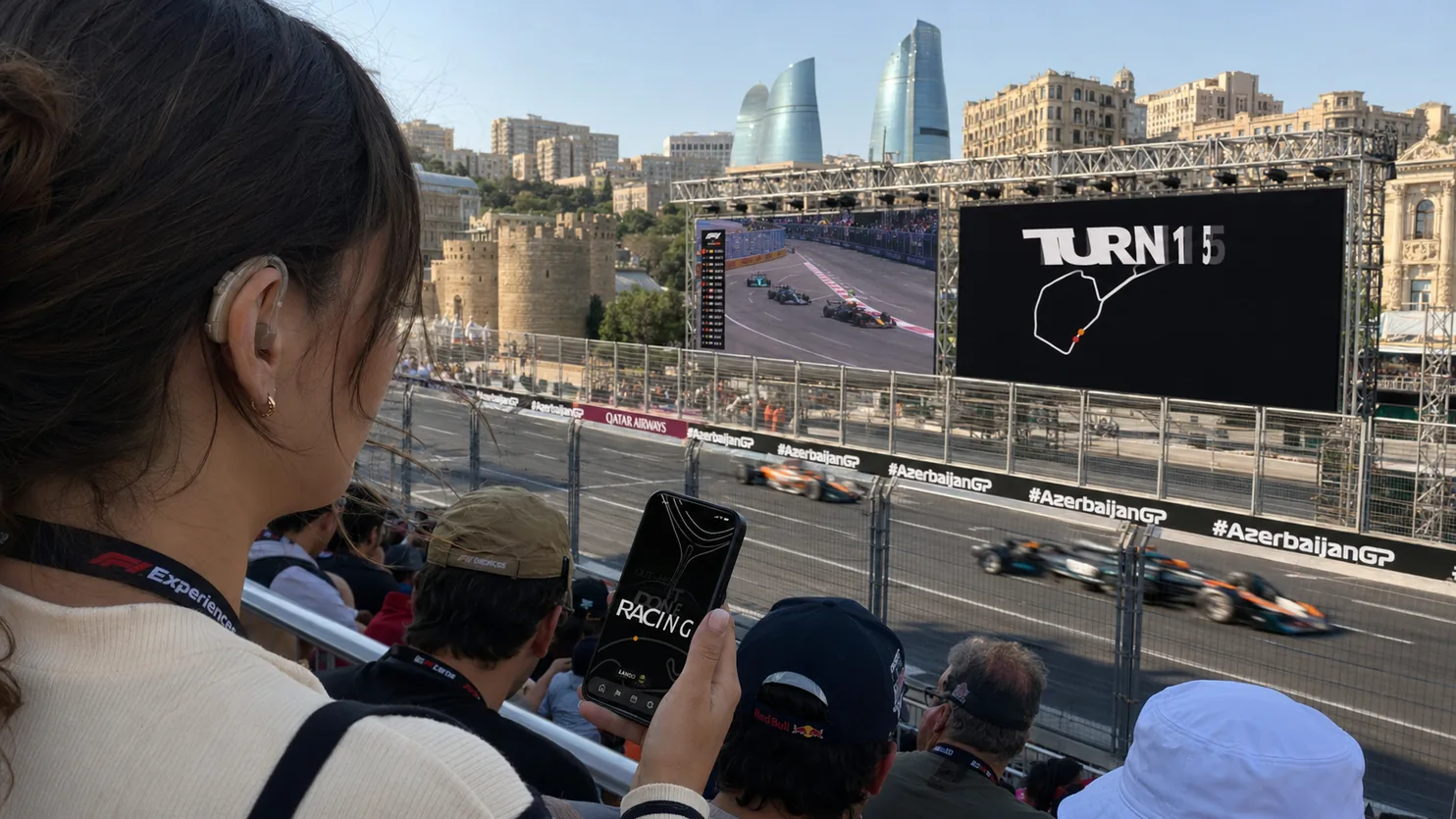
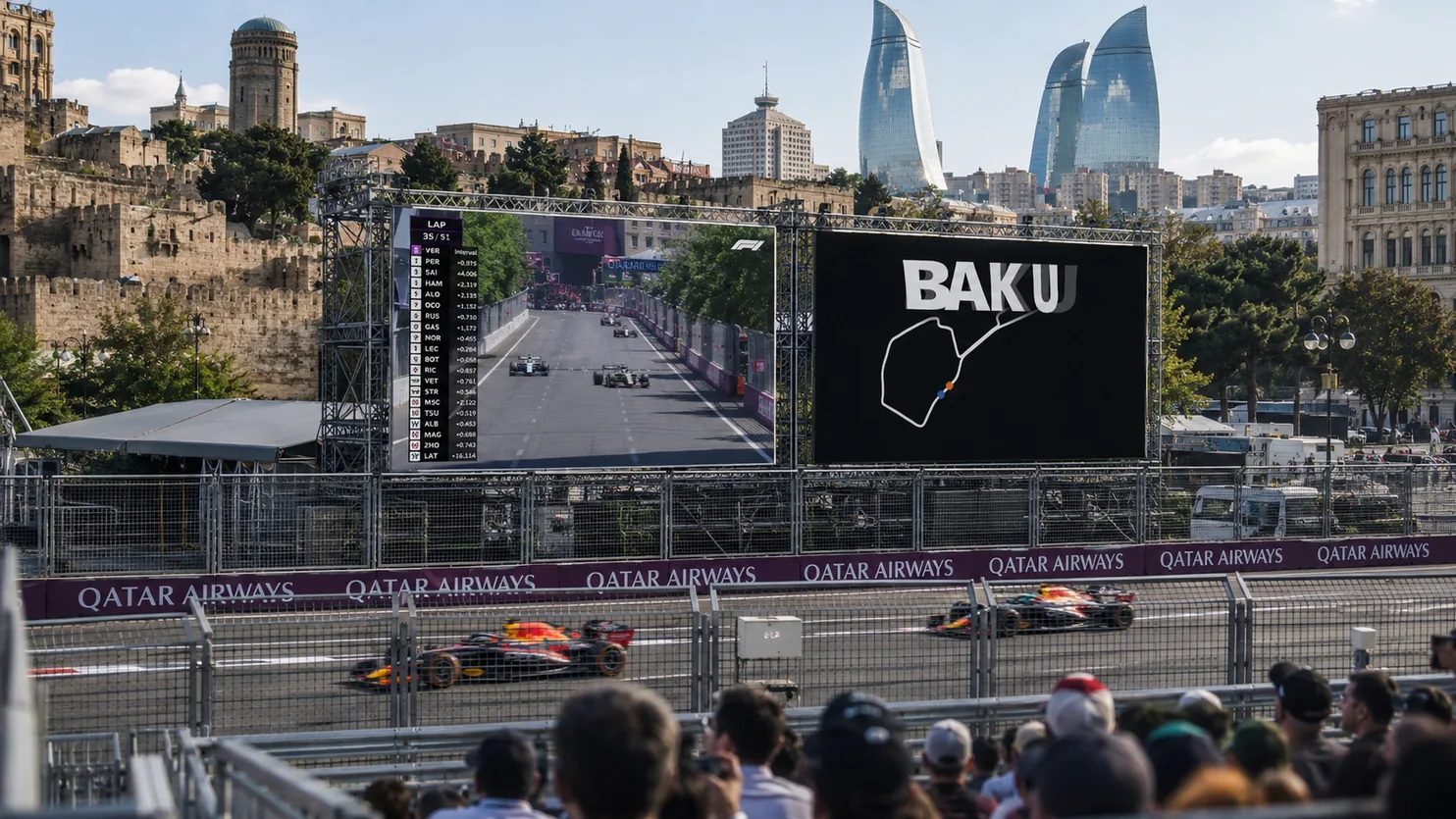
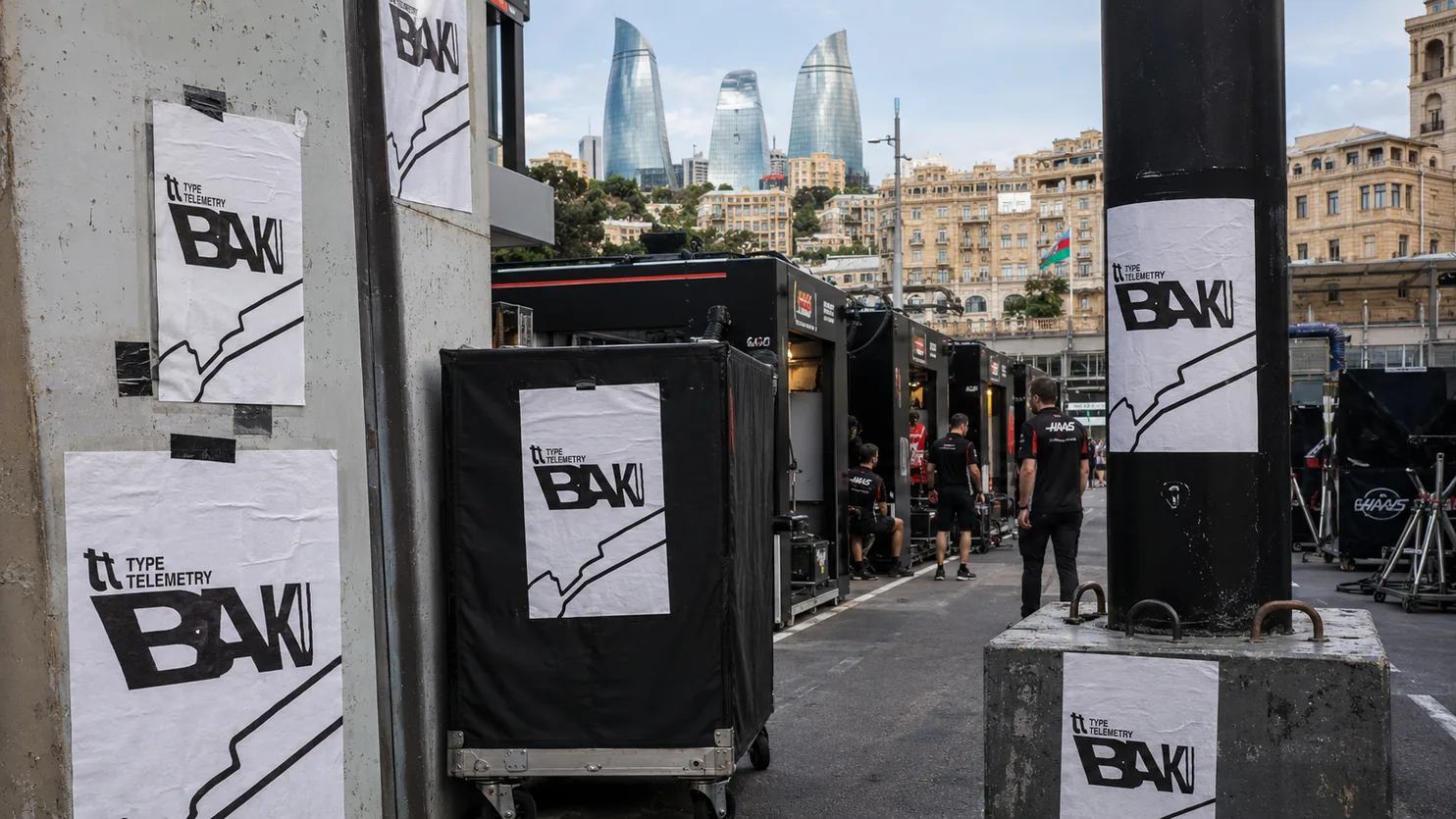
Digital dashboards are easy to copy. The strategic advantage sits in hard-wired trackside presence. Reactive typography on paddock billboards and circuit barriers turns the project into race infrastructure. Fans in the grandstand see load change on screen as cars pass, while the app supports comparison modes, a minimal map view, and a halo view for immersion at home.
Digital Ecosystem
G-force became the primary generative input because it defines what the driver feels in the cockpit. At 5G in a high-speed corner, typography should reflect that load (Burke, 1757). The digital ecosystem wraps that logic across tablet, television, and browser touchpoints so the same technical truth reads consistently whether a fan is at home or using the app as a second screen in a noisy venue.
Conceptual student work. Brief and identity developed independently at AUB, framed against Formula One Management commissioning standards. Not an official FOM product.
References
- Autosport Forums (2023) 'The death of the timing tower'. Available at: https://forums.autosport.com (Accessed: 20 May 2026).
- Bosman, M. (2021) FastF1. Python library for Formula 1 telemetry. Available at: https://github.com/theOehrly/Fast-F1 (Accessed: 20 May 2026).
- Brown (2025) Subtitle provision in motorsport broadcasting. Cited in project research materials.
- Burke, E. (1757) A Philosophical Enquiry into the Origin of Our Ideas of the Sublime and Beautiful. London: R. and J. Dodsley.
- Prasad, S., Patil, R. and Mishra, A. (2017) 'Visual attention and focus in deaf populations', Journal of Sensory Studies, 8(4), pp. 112-119.